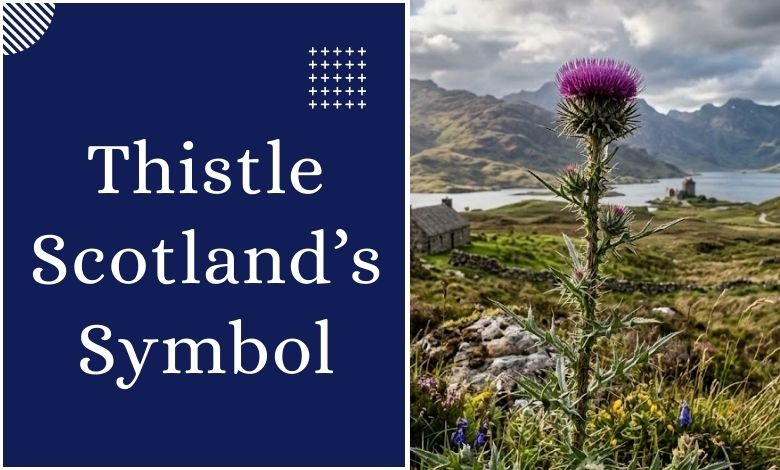
If you ever get a chance to visit Scotland, make sure you take a walk across the Scottish countryside in late spring or summer. You will definitely spot this famous flower. This plant displays a tall stem together with sharp leaves and a purple crown that stands tall through windy weather conditions.
The thistle doesn’t look gentle yet it has now become one of the most loved symbols of Scotland. The symbol represents two qualities which include strength that endures through all challenges and national pride. People often ask why such a prickly plant earned national status. The answer lies in a story that lived in Scottish memory for centuries.
The Story Behind the Thistle

According to tradition, the thistle became Scotland’s emblem during a night attack by Norse invaders. The enemy attempted to reach a Scottish camp without making any sound. The attackers took off their boots to achieve silent movements through the terrain.
One of the attackers stepped on a wild thistle. The sharp spikes pierced his foot and he cried out in pain. The Scottish warriors reacted to his shout and the warriors stood up after rising from their sleep to fight the enemies.
The precise time of this event remains unproven. This story continued to spread from one generation to the next and people started to view the thistle as a silent protector of the territory over time.
From Wild Plant to National Symbol
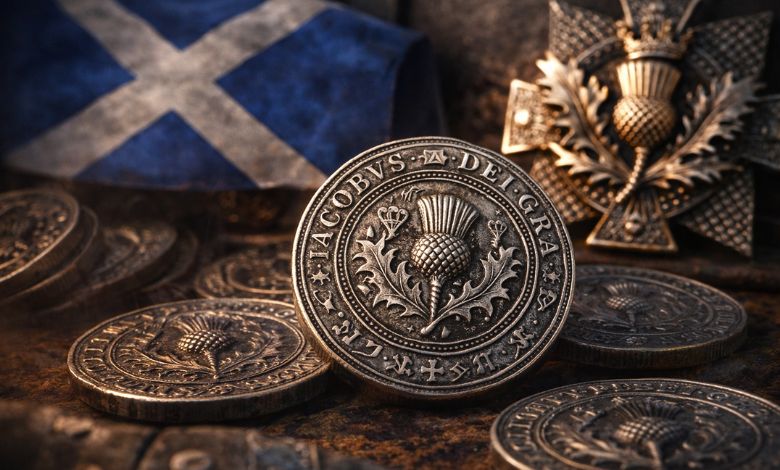
If we look at the back, King James III included the thistle design on silver coins during the 15th century. The small detail established the plant as a permanent element in national identity. People encountered it through daily use because it existed both in their hands and in the natural world and in storytelling.
The thistle became part of official emblems and military insignia and building designs. It gradually became an established visual element of Scottish identity.
The Order of the Thistle
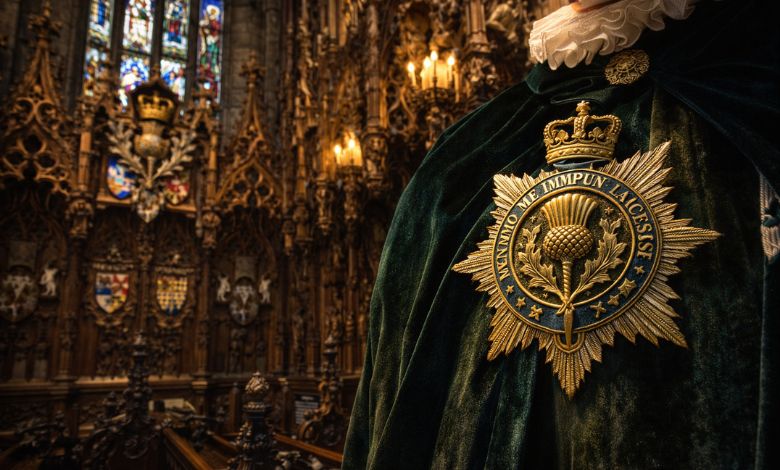
The thistle represents one of Scotland’s highest honors. The Order of the Thistle ranks among the highest orders of chivalry in the United Kingdom. The monarch grants this honor to people who give great service to Scotland.
The members of the order assemble at Thistle Chapel which exists within St Giles’ Cathedral in Edinburgh. The chapel shows carved thistles, shields, and symbols that reflect Scotland’s history. The space creates an atmosphere of peace and respect while maintaining multiple intricate features.
The order carries the motto: “Nemo me impune lacessit.” The phrase means that no person can attack me without facing the consequences. The message represents the thistle’s spirit in perfect alignment.
What the Thistle Represents

The thistle plant appears rough because of its spikes yet its actual meaning goes beyond its physical appearance. The plant grows in soil that presents difficult growing conditions. The plant endures through extreme weather conditions and maintains its life on substandard earth. The Scottish people who maintain their traditional ways show the same level of strength that the plant demonstrates.
The plant carries a sense of dignity that people respect. Its purple bloom stands high above the leaves, which creates a crown-like effect. That image connects well with ideas of royalty and honor.
For many Scots, the thistle feels personal. The thistle serves as a reminder of their home and their family roots and the natural beauty of their homeland which includes hills and lochs and open skies.
The Thistle in Everyday Scottish Life
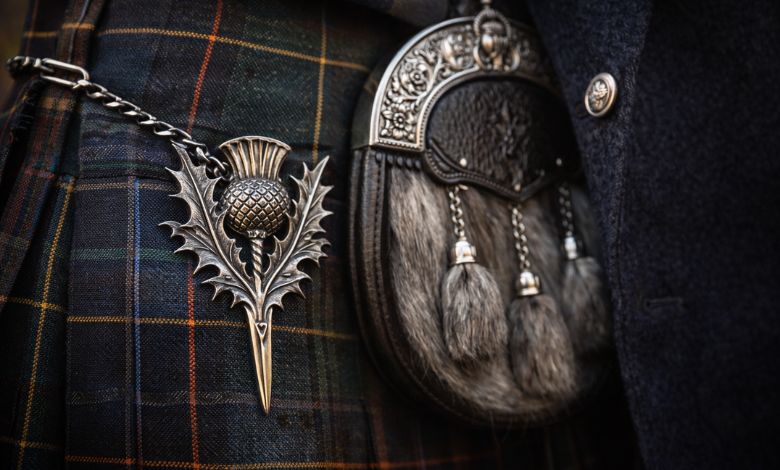
You do not need to visit a castle or a museum to see the thistle. The thistle shows itself throughout all aspects of Scottish existence. This emblem also appears on rugby and football badges, police uniforms and government logos.
Thistle brooches, scarves, mugs and pins are available for sale in tourist shops. Thistle patterns become a popular choice for wedding decorations and gifts among many families. The symbol feels familiar, not distant or formal.
The thistle also appears in Highland dress. The symbol appears on kilt pins and sporrans and jacket buttons. The piece provides the outfit with its most important detail through its small size.
A Symbol That Still Matters
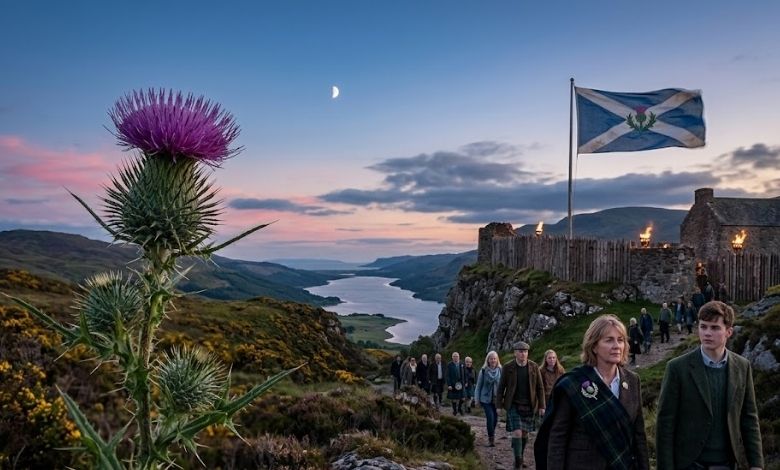
National symbols sometimes fade with time, but the thistle still feels relevant. The entity exists outside the boundaries of popular trends and current fashion styles. The plant maintains its traditional growth pattern by establishing itself in both rough terrains and open fields.
The basic visual representation continues to attract people’s attention. The power of strength exists without any need for sound. The elegant design exists without any need for people to admire it. The tiny plant functions as a national defense which shows its value during crucial times.
The thistle becomes a historical link which people establish through their use of it as a flag decoration or their choice to wear it. People who live in the Highlands or anywhere else in the world bring a part of Scotland with them wherever they go.
FAQs