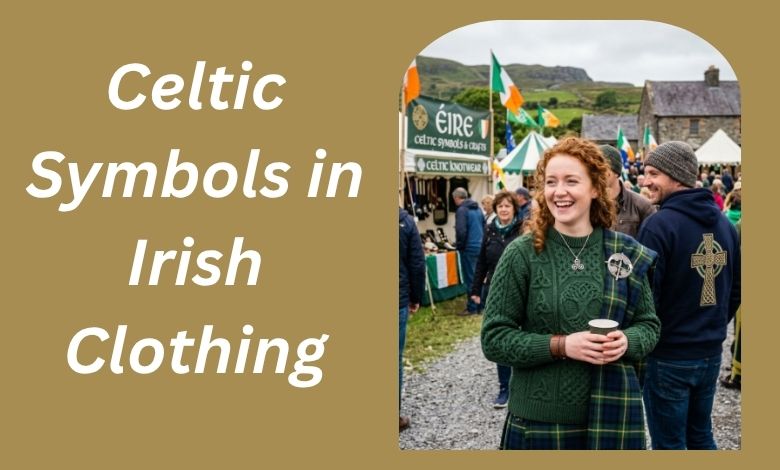
Celtic symbols are considered a significant part of Irish cultural history showing spirituality, heritage, and a strong association with nature. These ancient patterns and designs have been passed down through generations and they continue to appear in both traditional and modern clothes. The embroidery on clothes includes celtic motifs that add significance of cultural heritage and history to what people wear. In this blog, we are going to discuss the cultural significance of these Celtic symbols in Irish clothing.
The Cultural Significance of Celtic Symbols
Ancient Celtic Symbols are deeply rooted into Irish history, spirituality, and artists tradition. They are quite popular among wearers because of their detailed patterns and interesting story behind their meaning. Most often, they depict the safety, eternity, balance, and also the cycle of life. Celtic symbols arose with the ancient celtic tribes who lived in Ireland and other parts of Europe thousands of years ago. These signs are usually the depiction of strong spiritual beliefs of Celts and also their link to nature. As time passed, these patterns with interesting meaning behind them became a part of Irish fashion and clothing. Even today, they are impacting the Irish fashion industry by making their dominance on kilts embroidery and also on other modern outfits. Thus they are an interesting way to cherish heritage and traditional pride.
Common Celtic Symbols in Irish Clothing
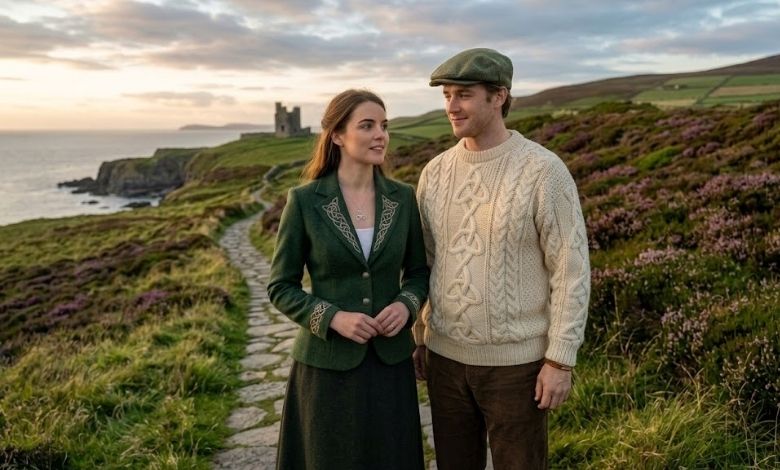
After being familiar with the cultural significance of Celtic signs, now we are going to dive into the commonly used Celtic designs or symbols in Irish clothing for influencing both traditional and modern outfits along with their related impactful meaning of these signs.
The Trinity Knot (Triquetra)
The first one is the Trinity knot also known as Triquetra. It is among the most commonly known celtic symbols and often seen in Irish clothing. The design consists of three interwoven loops with no defined start or end. It shows timeless existence and interconnected nature of life.
Symbolism includes:
- The Holy Trinity in Christian belief
- The unity of mind, body, and spirit
- The cycle of life, death, and rebirth
Celtic Knotwork
The second one in our discussion is Celtic Knotwork. It is noted as one of the most distinct patterns in Celtic clothing. This pattern involves continuous loops that interlace over and under each other without having a definite start or end. This continuous pattern of the symbol shows the Celtic faith in continuity and also the eternal nature of life. It is most commonly seen in the embroidery or also the woven patterns of Irish inspired clothes.
Symbolism includes:
- Eternity and the endless cycle of life
- The interconnection of all living things
- The idea of an endless spiritual journey
The Celtic Cross
The Celtic cross is a dominant symbol often linked with Irish faith and heritage. It merges the traditional Christian cross with a ring that surrounds the intersection of the arms. It reflects both ancient culture and spiritual beliefs.
Symbolism includes:
- Faith and spirituality
- The unity of heaven and earth
- A blend of pagan and Christian traditions
The Claddagh Symbol
One of the most beloved cultural symbols in Ireland is The Claddagh symbol. It involves two hands holding a heart that is topped with a crown. It represents strong personal relations and emotional bonds.
Symbolism includes:
- Love (heart)
- Loyalty (crown)
- Friendship (hands)
The Triskelion (Triple Spiral)
The Triskelion is also called the Triple spiral and it is an ancient Celtic symbol containing three spirals spreading out from a central point. This interesting pattern shows movement and the concept of life that is constantly evolving. It is also a commonly used design in Irish clothing.
Symbolism includes:
- Motion and progress
- The cycles of life
- Spiritual growth and development
The Celtic Tree of Life (Crann Bethadh)
Crann Bethadh is another name for The Celtic tree of life. It represents the deep link between nature and humanity. Celtic culture considered trees as a sacred entity that showed the harmony between physical and spiritual worlds.
Symbolism includes:
- Balance between heaven and earth
- Growth and strength
- The connection between all living things
The Shield Knot
Shield Knot is the traditional Celtic symbol that is linked with protection and strength; it was used in ancient designs to guard against negative impacts and to show safety. In Irish clothing, it signifies security and resilience.
Symbolism includes:
- Protection from negative energy
- Strength and security
- Guardian symbolism
The Modern Revival of Celtic Symbols in Fashion
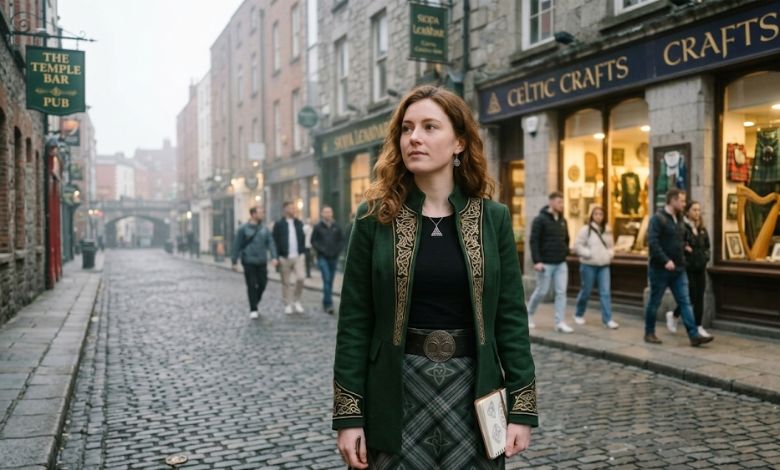
As Irish art progressed, Celtic symbolism became more polished and detailed, specifically during the earlier medieval period. Detailed knotwork and interweaving patterns became distinctive traits of Irish craftsmanship, merging pagan artistic heritage with Christian themes. In today’s century, the Celtic symbols have a stronger impact and revival in modern Fashion. The brands selling Irish clothing usually include these ancient celtic motifs and symbols into contemporary clothes like jackets, kilts, etc. this revival represents an increasing preference and liking towards traditional heritage and cultural art. People love to get these iRish clothes with incorporated Celtic symbol artistry because they not only look classy but also represent the strong connection with Irish historic tradition.
Celtic symbols hold a deep traditional and spiritual importance that has endured for centuries. From Trinity knot to the Tree of Life, these designs show ideas like unity, growth, protection, interdependence of life. Their presence in Irish clothing shows a strong link between heritage and personal expression.