Event Guide

Ancient Strength Sports That Still Challenge Modern Athletes

Strength sports have a deep and fascinating history that originates in ancient civilizations where physical power was considered significant for survival, warfare, and social standing. Many practices in this context have evolved into modern sports competitions. They are helpful to test endurance and raw strength. From Greek training related rituals to the Highland games of Scotland, the legacy of ancient strength sports are continuously influencing the athletes today. Let us discuss this in detail.

The Origins of Strength Sports in Ancient Scottish Civilizations

Strength sports have their deeper roots in ancient civilizations where physical power is essential for combat and survival. In multiple societies like Greece, Rome, Scotland, and Egypt, personal strength was not for the purpose of personal achievement; instead it served as a symbol of bravery and leadership.

Strength as a Measure of Power and Status

In ancient times, physical strength was known as the symbol of influence and status. Warriors and athletes described their strength through weight lifting, wrestling, or combat. The ability to perform physical tasks usually determined their leadership skills and eligibility for military duties.

From Survival Skills to Competitive Sports

Many ancient strength related activities were initially aimed at survival. Then the hunting, carrying heavy loads, and also the combat training converted to organized contests. With time, these events became structured sports with developed rules that continue today.

From Spartan Training to Highland Warrior Rites

Ancient civilizations incorporated unique systems of strength training and also warrior preparation. These practices merged physical activities with cultural significance that prepared athletes and warriors for public recognition and battles.

Ancient Greece: Spartan Training Regimens

In Sparta, boys started the discipled training system that was focused on endurance, combat, readiness, and also agility. These exercises include running, wrestling, and weapons training.

Ancient Rome: Gladiatorial and Military Conditioning

Roman soldiers took part in intensive training for both public recognition and also the combat efficacy. They have the routine training that includes weight training, combat drills, and also teh strategic exercises.

Ancient Egypt: Athletic and Ceremonial Strength Practices

The strength activities relevant to Egyptian civilization were relevant to the military, ceremonial, and also the religious purposes. The common activities include wrestling, archery, and weight lifting.

Scotland: Highland Warrior Rites

In Scottish Highlands, warriors took part in ritualized strength related contests like stone lifting, caber tossing, and also the sword training. They prepared warriors for battle while showing cultural pride and heritage.

Why Ancient Strength Sports Still Matter Today

Ancient strength sports are continuously influencing modern athletics because they test human strength, skill, and enduring power. They are not only about physical fitness but also connect participants to cultural traditions. They remind us that strength has always been a measure of discipline and identity.

Ancient Strength Sports Still Practiced Today

There are some ancient strength sports that are still practiced today due to their association to cultural heritage and popularity among athletes. Let us discuss these traditional strength sports in detail.

Stone Lifting: The Original Test of Power

One of the most famous sports in ancient Scotland, Egypt, and other cultures is stone lifting. It tested pure strength and also endurance. Participants play this game by lifting heavy stones of different shapes and weights to demonstrate their core strength and balance techniques. Today, it is the highlight of Highland Games and other global contests.

Caber Toss: Strength and Precision Combined

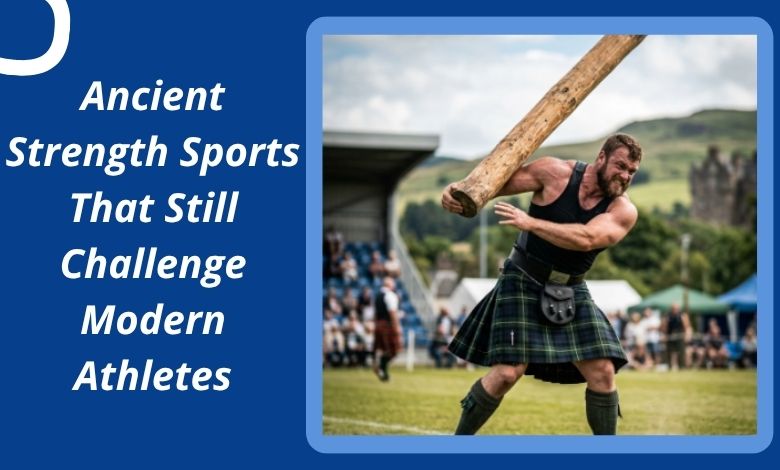
The caber toss challenges both strength and precision. Athletes have to lift and flip a large and heavy log and their aim is the perfect alignment. It is related to Scottish Highland warrior traditions and effective sport to test the strength of the participants.

Traditional Wrestling Styles

Wrestling has its roots in Scotland, Rome, Greece, and Egypt. This strength sport trained warriors for combat. The style emphasizes the grabbing techniques, agility and also the enduring power. Modern wrestling tournaments preserve the culture and traditions while depicting athletic and tactical skills.

Tug of War: Team Strength and Coordination

Tug of war has been the part of ancient civilizations for military training and community contests. This sport highlights teamwork, coordination, and also synchronized strength. It focuses on teamwork and is considered as the famous contest in schools, festivals, and also the international contest.

Hammer Throw and Weight Throws

Hammer throw and weight throws have their roots in Celtic, Roman,and Norse traditions. They were used to demonstrate strength and accuracy with heavy objects. Today, these contests are part of modern track and field athletics.

Physical and Mental Demands on Modern Athletes

Modern athletes face challenges that extend beyond raw strength. They must have physical endurance, endurance power, and flexibility with coordination. All these abilities can be gained through ancient strength sports. Mentally, the athletes require focus, resilience, and also strategic thinking particularly in a competitive environment or high pressure settings. Ancient practices like wrestling, caber tossing, and stone lifting help to test both physical and mental strengths.

Functional Strength vs Gym Strength

Feature Functional Strength Gym Strength
Focus Practical, real-world movements Isolated muscles and controlled exercises
Purpose Improves overall mobility, balance, and performance Enhances muscle size, definition, and targeted power
Origins Inspired by ancient strength sports and survival tasks Modern weightlifting and bodybuilding routines
Examples Stone lifting, caber toss, wrestling, tug of war Bench press, bicep curls, leg extensions

Role of Cultural Events and Festivals
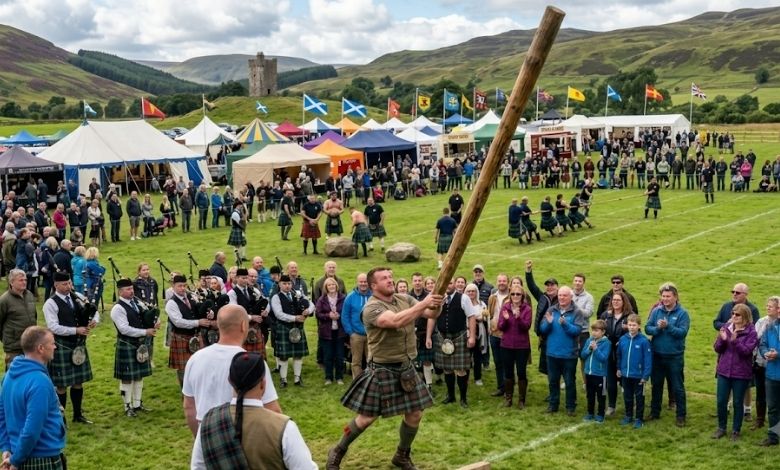

Cultural events and festivals play a crucial role to preserve strength related traditions while adapting them to modern audiences. These gatherings offer a platform for athletes to show their skillset, power, and strength regarding endurance. In this way, they honor the historical practices.

The Highland Games: A Living Blueprint of Ancient Strength

Highland games are a true depiction and most enduring example regarding how ancient strength traditions continue in modern times. These games have their roots in Scottish warrior culture. Common sports included are caber toss, stone lifting, tug of war, and many others. Today, Highland games have transformed these events into more organized and competitive games to preserve traditions. They are the reason for testing the physical strength of athletes and also pay honor to cultural heritage.

Comparing Ancient Strength Sports to Modern Training

Ancient sports and modern training methods both differ in approach. But they have common goals like building power, endurance and also physical ability. Ancient sports have their focus on functional and full body movements like lifting stones, throwing objects, or all those activities that are related to survival or combat readiness. Instead modern training usually depends upon structured routines and specialized equipment for targeting specific muscle groups and attaining measurable performance goals.

Natural Movements vs Machine-Based Exercises

Feature Natural Movements (Ancient Style) Machine-Based Exercises (Modern Gym)
Movement Type Multi-joint, full-body movements Isolated, single-muscle focus
Examples Stone lifting, wrestling, carrying loads Leg press, chest press, cable machines
Functionality High real-world application Limited real-world transfer
Coordination Improves balance and coordination Minimal coordination required
Flexibility & Mobility Enhances natural range of motion Fixed movement patterns
Injury Risk Depends on technique, more natural motion Lower risk due to controlled environment
Adaptability Works in varied environments Restricted to gym settings

Performance vs Aesthetics

Feature Performance-Focused Training Aesthetic-Focused Training
Primary Goal Strength, endurance, and functional ability Muscle size, symmetry, and appearance
Training Style Dynamic, compound movements Isolated, repetitive exercises
Examples Strongman events, wrestling, Highland Games Bodybuilding routines, hypertrophy training
Measurement of Success Power output, endurance, skill Visual results and muscle definition
Practical Application High (sports, real-world tasks) Limited outside appearance
Physical Outcome Balanced strength and athleticism Muscular physique and definition
Mental Focus Discipline, resilience, adaptability Consistency and visual goals

Raw Materials: The Shift from Natural Stones to Precision Iron

The evolution of strength sports shows a clear change from natural and unrefined materials to engineered machines and equipment. In older times, athletes used stones, logs, or other naturally available items to test their strength. On the other hand, modern training uses precision crafted iron weights and machinery. They are designed to track consistency, safety, and measurable progress. Barbells, dumbbells, and the resistance machines allow athletes to control weight increments and track performance with precision.

Why Athletes Are Returning to Traditional Strength Sports

Modern athletes are turning back towards traditional strength sports for developing functional power, real world performance, and also the well rounded athletic capability. Unlike the gym controlled routines, these games highlight natural movements, full body engagement, and also the unpredictable challenges that can prepare athletes for dynamic environments in a better way.

Authentic Training Methods

Authentic training methods have key aspects that make them popular in modern days.

  • These methods have a key focus on real world movements like lifting, carrying, and throwing.
  • They also engage several muscle groups for full body strength.
  • These methods are also helpful to build practical strength, balance, and also coordination.

Resilience and Recovery: Ancient Wisdom for Modern Longevity

Ancient training systems placed a stronger emphasis on strength and also on resilience and sustainable recovery. Practices like balanced physical activities, rest cycles, and gradual progressions helped athletes to retain longer term physical ability. Today, athletes are revisiting these principles for improving longevity, reducing the risk of injuries, and retaining consistent progress.

The Future of Ancient Strength Sports
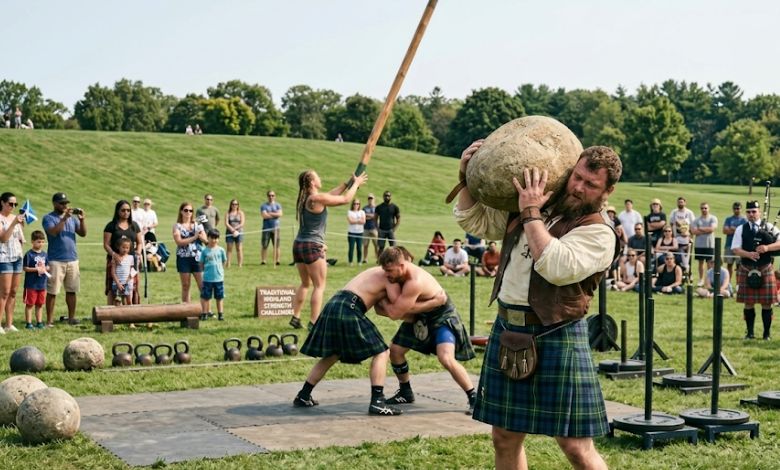

Ancient strength sports are attaining renewed attention as athletes seek functional, sustainable, and traditionally rich training methods. With the rise of movements like functional fitness and strongman contests, traditional practices like stone lifting, wrestling, and caber tossing are being reintroduced to modern audiences in more structured and competitive forms.

Thus, the ancient strength sports continue to hold a powerful place in modern athletics. These sports combine the physical ability with the cultural heritage. every strength sport, from stone lifting to Highland events demonstrate the real strength goes beyond the isolated training. These practices focus on endurance, coordination, and also the real world performance. Ancient strength sports prove that the time tested methods still have a significant role to shape today’s athletes by making them valuable and enduring components of modern strength training and contest.

FAQs:

What are ancient strength sports?

They are traditional physical activities like stone lifting, wrestling, and caber tossing, etc. these activities are used for the purpose of survival, combat training, and also the cultural rituals.

They help to improve:

  • Real-world strength
  • Endurance
  • adaptability

Thus, training with ancient methods is highly effective for complete athletic performance.

Eric Robert

Eric Robert is a dedicated voice in Highland fashion, celebrating the artistry of kilts, tartans, and traditional Scottish attire. Their writing reflects a deep respect for heritage, paired with a flair for timeless style.

Related Articles

Back to top button