We all know Scottish history carries deep ties to the land and the long history of the country. Many of its symbols that are recognised here grew from nature, clan traditions or old legends that shaped Scotland. Over time, they became a part of daily life and are still considered important in terms of clothing, flags, jewellery and public buildings.
The symbols serve as their primary function because they display their respective meanings which correspond to the concepts of courage, loyalty and national pride. Scotland’s most recognized symbols contain stories which we will now explore.
The Thistle – Scotland’s National Emblem
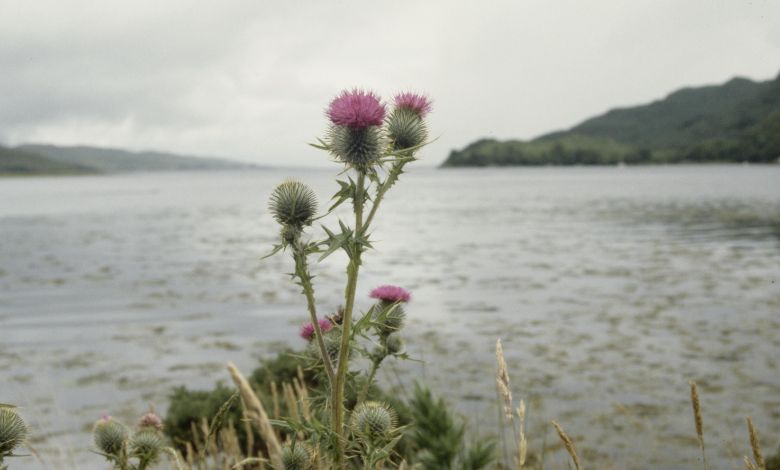
The thistle is Scotland’s official national flower, but it earned the status through legend not because of beauty. The story goes back to during a Norse invasion, Viking warriors attempted a night attack on a Scottish camp. But a barefoot invader stepped on a flower and cried out in pain because of its thorns that alerted the sleeping Scots who then killed the attackers.
This tale became famous and after that the thistle became a symbol of protection, bravery, and resilience. It’s a plant that defends itself naturally, just like Scotland defended its borders throughout history.
You can find thistle all over Scotland as it on royal crests, printed on coins, and used in official government symbols. There’s even a special award called the Order of the Thistle, created in 1687, which is one of Scotland’s highest honours.
The Saltire – The Flag of Scotland

The Saltire is actually Scotland’s national flag and has a simple design of a white diagonal cross on a blue background. But like a famous flower, this flag also has a story behind it.
The flag basically represents Saint Andrew who is Scotland’s patron saint. According to a legend, in 832, there was a Scottish king named Angus. At that time, he was about to fight a much larger army but a night before battle, he prayed for help. The next morning, white clouds formed on the sky formed a diagonal cross in the blue sky above the battlefield.
The Scot took this as a sign from Saint Andrew and won the battle. After that victory, the white cross on blue became Scotland’s flag that represents faith, unity as well as national pride.
The Lion Rampant – Symbol of Royal Strength
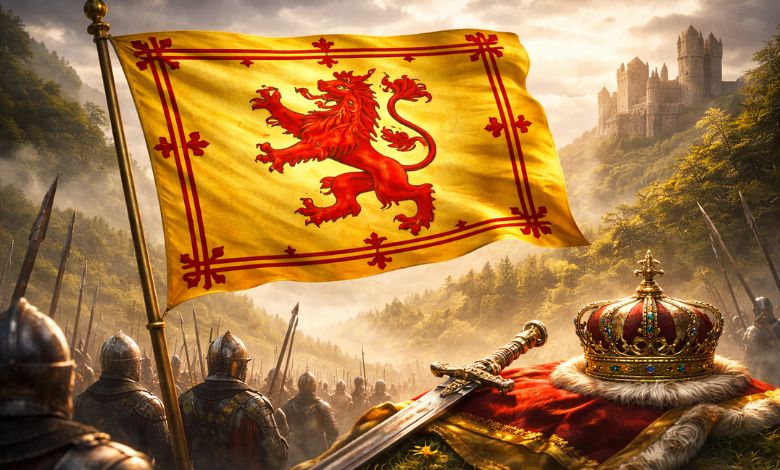
The Lion Rampant shows a red lion standing on its back legs on a yellow background. The lion looks fierce with its claws out and mouth open seems ready to fight. This was considered as the unofficial flag of Scotland and is often referred to as “The Royal Standard of Scotland”.
The iconic design was first used by King Alexander II (1214 – 1249 AD) and has been used as the ‘Arms of the Kingdom of Scotland’ ever since. The symbol represents courage, leadership, and sovereignty.
Tartan – A Pattern of Identity
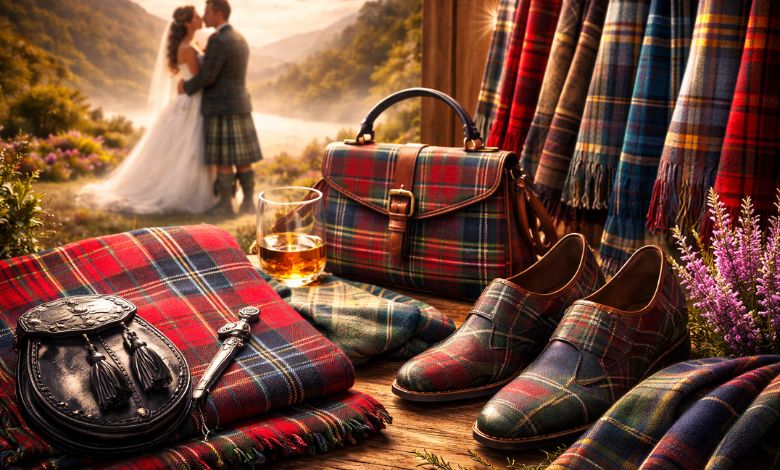
Each pattern originally belonged to specific clans and regions across Scotland. Families used to wear their clan’s tartanto show loyalty and pride in their heritage. In the old days, tartan patterns served as a form of identity. Which means wearing your clan’s tartan makes you stand with your family and shared history.
But today, tartan has been moved beyond just clan identification. You can easily see it everywhere in modern fashion like tartan kilts at the wedding, wrapped around scarves, on bags, shoes and even high-fashion runways.
The worldwide recognition of tartan as a Scottish symbol exists because people today immediately associate this pattern with Scotland.
The Celtic Knot – Symbol of Eternity
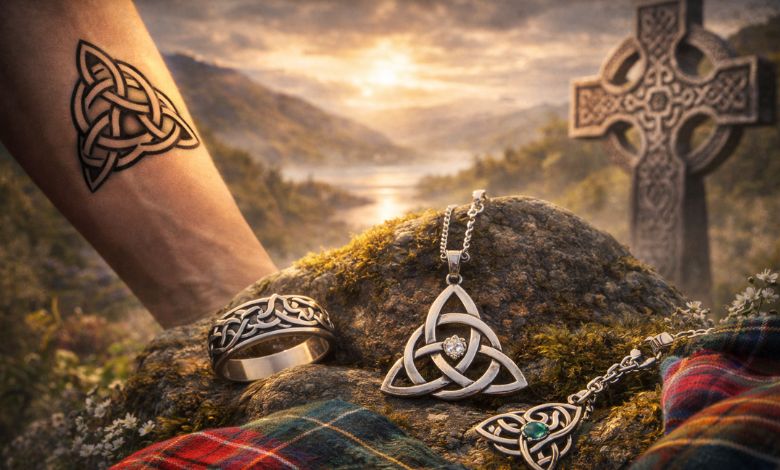
The Celtic Knot serves as a widely known symbol which people throughout Scotland, Ireland and Wales use for identification purposes. The Celtic runes carry significant meaning because they represent faith, love and loyalty together with other essential values.
Triquetra stands as the most famous version of the term, which means “three-cornered”. The design exists in multiple forms which people refer to as the Trinity Knot. This signifies The Holy Trinity of the Father, The Son, and the Holy Spirit.
The Trinity Knot consists of three Vesica Pisces symbols that create an overlapping pattern.The design exists in multiple forms which people refer to as the Trinity Knot. The Trinity knot has become a popular design element which people use for their jewellery and decor and tattoo designs.
The Scottish Unicorn – Mythical Guardian of the Realm

You might be glad to know that the Scottish national animal is a unicorn. The unicorn was first adopted on Scotland’s coat of arms around the mid-1500s. The Scottish people selected this symbol because they wanted to show their opposition to England which had used the lion as its emblematic animal for one century before.
The unicorns symbolize three traits which include purity, power and independence. It is known for being wild in nature which matched Scotland’s own fight for sovereignty.
The Bagpipes – Sound of Scottish Tradition

The bagpipes serve as one of Scotland’s main musical symbols which have strong connections to Highland traditions. The instrument was used during clan assemblies, ceremonial events and combat situations to boost soldiers’ bravery and their shared combat spirit. The evolution of their sound established a connection to remembrance and national identity which explains why bagpipes continue to be played at Scottish parades, memorial services and festive events.
The Heather Flower – Symbol of Luck and Admiration
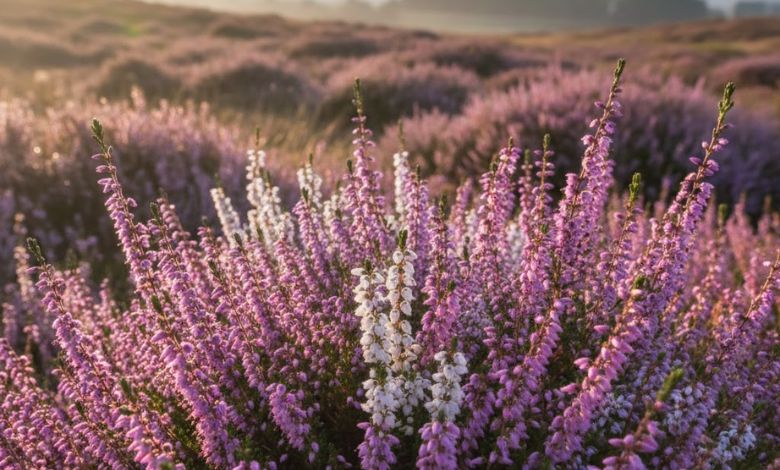
Heather grows throughout the Scottish hills and moorlands, which makes it an essential element of the area. People associate purple heather with beauty and admiration, while white heather is believed to bring luck and protection. The meanings of heather make it a common element in wedding customs and keepsakes and in small Scottish charm souvenirs.
Celebrating Scotland Through Its Symbols
Scottian symbols appear in kilts, tartans and crests and small accessories that hold strong heritage ties. The designs in the collection express their meanings through clan, regional and personal Scottish connections. You can use these symbols to select apparel that matches your personal style and cultural heritage. Your actions of wearing and displaying these items demonstrate your respect for tradition while you maintain Scotland’s cultural identity.